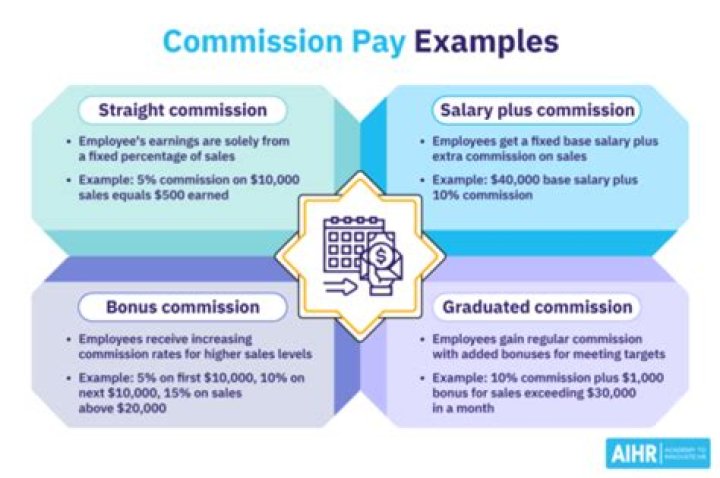
Commission Income is an income account. It is presented under income or revenues in the income statement. Commission Income is the primary revenue account of businesses that primarily make money from making sales or closing deals for third parties.
Is commission income an income?
Sales commissions earned by a company would be reported as revenue in the company’s income statement. Sales commissions that a company must pay to others are reported as an expense. The commission expense should be reported when the company has incurred the expense and liability.
Can I write off commission fees?
Cost Basis The IRS does not allow you to write off transactions fees, such as brokerage fees and commissions, when you buy or sell stocks. Even though you can’t deduct your transaction fees, you can reduce your taxable gain, or increase your taxable loss, by properly figuring your cost basis.
How can you avoid paying taxes on commission?
Reduce Your Sales Commission Tax Fees with These Tips
- Donate to a Charity. If you are close to moving up a tax bracket at the end of the year, consider donating to your favorite charity.
- Deductions. There are several tax deductions that sales professionals can claim at the end of the year.
What kind of revenue do you get from commissions?
The company or person earning and receiving commissions (such as a percentage of sales) will have commissions revenue. The company or party that pays the commissions will have commissions expense.
How are commissions earned by an investment advisor?
In contrast, a commission-based advisor’s income is earned entirely on the products she sells or the accounts she opens. Products for commission-based advisors include financial instruments such as insurance packages and mutual funds. The more transactions they complete or the more accounts they open, the more they get paid.
What’s the difference between a commission and an expense?
The feedback you provide will help us show you more relevant content in the future. For the employer that will pay the commission, the unpaid commission is a liability. For the employee to whom the commission, it is an asset, akin to an “accounts receivable”. Commission is an expense if paid, and an income if received.
Where does commission received come from on a balance sheet?
Now as commission has been received either in cash or bank form, either of these current asset would also increase, again resulting in an increase in the asset side of the balance sheet. Therefore both asset and liability record the commission received indirectly. Top 10 IT and connectivity trends for 2020.