Deferred revenue is recognized as a liability on the balance sheet of a company that receives an advance payment. This is because it has an obligation to the customer in the form of the products or services owed.
What are example of liabilities?
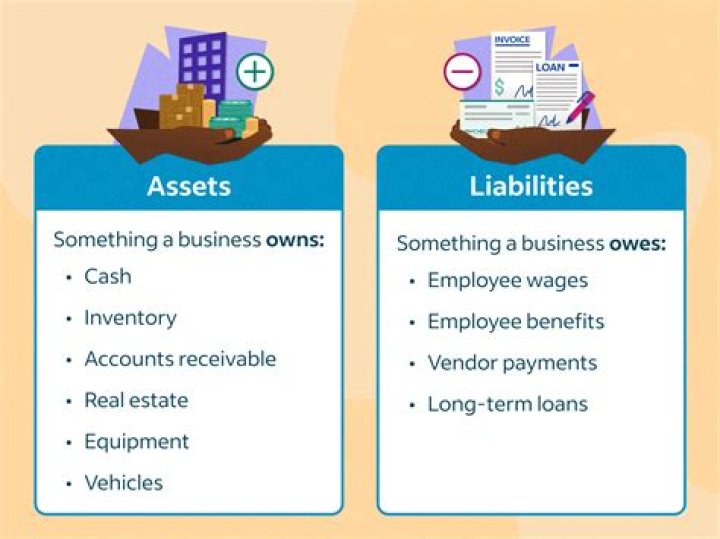
Recorded on the right side of the balance sheet, liabilities include loans, accounts payable, mortgages, deferred revenues, bonds, warranties, and accrued expenses. In general, a liability is an obligation between one party and another not yet completed or paid for.
What are examples of assets and liabilities?
What are Liabilities?
| Assets | Liabilities |
|---|---|
| Examples | |
| Cash, Account Receivable, Goodwill, Investments, Building, etc., | Accounts payable, Interest payable, Deferred revenue etc. |
Are advances to suppliers an asset?
Advances are payments made in advance such as down payments for a contractual project or services. It will be recognized either as an asset or an expense upon completion of the project or service. These are considered assets and has a normal debit balance which will increase when debited and decrease when credited.
What are the 3 types of liabilities?
There are three primary types of liabilities: current, non-current, and contingent liabilities. Liabilities are legal obligations or debt. Capital stack ranks the priority of different sources of financing.
Is a car an asset or liability?
The car itself remains a depreciating asset because it’s not affected by the car loan. Other factors determine its value, but the loan is a liability that decreases your net worth. If you sold the car, you’d pocket the difference between the loan payoff and the sales price.
When is Advance received from a customer considered a liability?
Funds collected as advance received from a customer are treated as a liability because the related revenue has not been earned by the business yet. If the related goods or services are to be delivered within 1 year then it is treated as a current liability otherwise a long-term liability.
What are liabilities and accounts payable in a business?
Liabilities and Accounts Payable. Liabilities are those amounts owed by a business at any one time. Liabilities are often expressed as Payables for accounting purposes. Unless you are running a complete cash business (paying and collecting only cash), you probably have liabilities.
What happens if you have too many liabilities in your business?
If the restaurant gets loans to expand (using leverage), it may be able to expand and serve more customers, increasing its income. Of course, too much liability isn’t good for business. If too much of the income of the business is spent on paying back loans, there may not be enough to pay other expenses.
Which is the best example of a liability?
A liability is money owed to buy an asset, like a loan used to purchase new office equipment. Expenses are ongoing payment for something that has no physical value or for a service, according to The Balance. An example of an expense would be your monthly business cell phone bill.