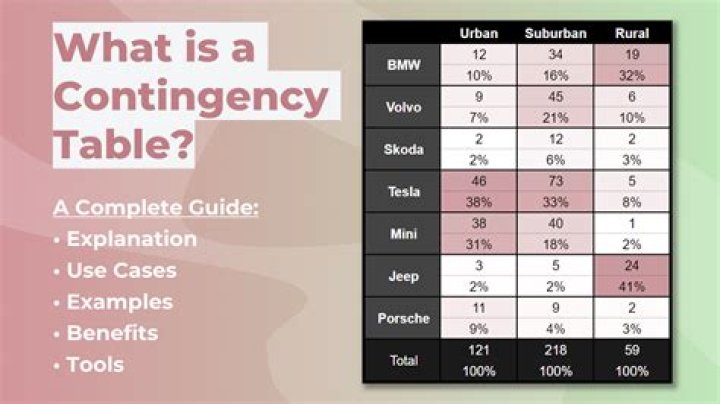
1 : a contingent event or condition: such as. a : an event (such as an emergency) that may but is not certain to occur trying to provide for every contingency. b : something liable to happen as an adjunct to or result of something else the contingencies of war.
What are the four contingency?
Whatever the way, in which organizations construct their organizational structure, it is dependent upon the following four contingency variables: technology, size, degree of environment and the organizations’ strategy. This essay is focus on how the four contingency variables influence organization’s structure.
What are three 3 benefits of contingency planning?
In this case, a contingency plan helps the firm to maintain their position and avoid the risk of losses.
- Reduces the Risk of Uncertainty. Future is unpredictable.
- Continuity of Work.
- Increases Credit Availability.
- Prevents Panic.
What are contingency factors?
A general contingency factor is a provision that the cost estimator makes to cover unforeseeable expenses the project may incur. The amount allotted for each contingency factor typically depends on the amount of detail in the project’s design, as well as its level of uncertainty.
Which is an example of a contingency plan?
Historically, contingency plans were mostly developed for high impact risks with potential to completely disrupt the normal operations of a nation, city or organization. Modern risk management practices also plan contingencies for relatively minor risks. The following are illustrative examples of a contingency plan.
What does the contingency theory of leadership mean?
Glenview, IL: Scott, Foresman. This theory is known as the contingency theory of leadership. According to Fiedler, organizations attempting to achieve group effectiveness through leadership must assess the leader according to an underlying trait, assess the situation faced by the leader, and construct a proper match between the two.
What do you mean by contingencies in construction?
Contingencies in construction. Contingencies are downside risk estimates that make allowance for the unknown risks associated with a project. Typically, contingencies refer to costs, and are amounts that are held in reserve to deal with unforeseen circumstances.
How often should a contingency plan be reviewed?
A team should be assigned that is responsible for the plan and meets on a regular basis (at least annually and probably more often at the beginning). At each meeting, the current plan should be reviewed for completeness and any new or changed risks should be identified and analyzed.