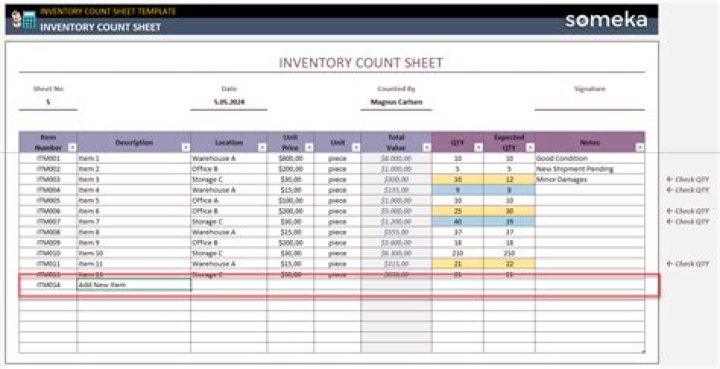
Merchandise inventory is the cost of goods on hand and available for sale at any given time. Merchandise inventory (also called Inventory) is a current asset with a normal debit balance meaning a debit will increase and a credit will decrease. its cost of goods on hand at the start of the period (beginning inventory)
How do you record returned inventory?
When merchandise is returned, the sales returns and allowances account is debited to reduce sales, and accounts receivable or cash is credited to refund cash or reduce what is owed by the customer. A second entry must also be made debiting inventory to put the returned items back.
How do you record merchandise inventory end?
For merchandise inventory, record the amount of the ending inventory in the Balance Sheet Debit column. For unearned revenue, record the unearned revenue account in the Balance Sheet Credit column and the revenue account in the Income Statement Credit column.
Are returns included in inventory?
A return occurs when inventory is purchased and later returned to the seller. When this happens, the purchaser no longer has the merchandise. This transaction has an effect on inventory for both the seller and the buyer, because inventory is physically moving.
What is the normal balance of merchandise inventory?
Merchandise inventory is the account on a balance sheet that reflects the total amount paid for products that are yet to be sold. As a current asset, merchandise inventory is basically a holding account for inventory that’s waiting to be sold. It has a normal debit balance, so debit increases and credit decreases.
What is an example of merchandise inventory?
Merchandise inventory is finished goods acquired for sale by retail or wholesale traders. Some goods are purchased in finished condition, ready to sell. For example:- Retail cloth firms normally purchase pant cloths, shirt cloths, ready-made shirts, pants, and blouse etc.
Is purchase return an expense or revenue?
Purchase Returns Account is a contra-expense account; therefore, it can never have a debit balance. The balance will either be zero or credit. The main premise behind accounting for purchase returns is to reflect the books as if no purchase had been originally made.
What is an inventory return?
An inventory return is when items that were previously issued out for use are returned back to your stock, adding that amount back to your on-hand quantity.
What is considered a quick asset?
Quick assets refer to assets owned by a company with a commercial or exchange value that can easily be converted into cash or that are already in a cash form. Quick assets are therefore considered to be the most highly liquid assets held by a company.
Where does merchandise inventory go on an income statement?
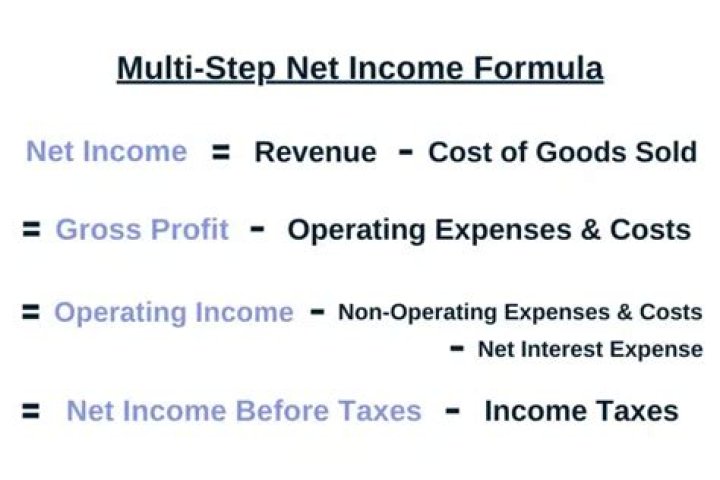
Even though we do not see the word Expense this in fact is an expense item found on the Income Statement as a reduction to Revenue. A ccountants must have accurate merchandise inventory figures to calculate cost of goods sold.
How many items are in last months ending inventory?
If the business now moves into its next accounting period, it has beginning inventory of 2,000 (last months ending inventory). This time the goods available for sale are the purchases plus the beginning inventory, and as before, the cost of the goods not sold is the ending inventory.
How does ending inventory relate to cost of goods sold?
Beginning inventory + purchases – ending inventory = Cost of goods sold Thus, if ABC Company has beginning inventory of $1,000, purchases of $5,000, and a correctly counted ending inventory of $2,000, then its cost of goods sold is: – $2,000 Ending inventory = $4,000 Cost of goods sold
What happens if inventory is understated at the end of the year?
If inventory is understated at the end of the year, the net income for the year is also understated. Here’s a brief explanation. If a company has a cost of goods available of $100,000 and it assigns too little of that cost to inventory, then too much of that cost will appear on the income statement as the cost of goods sold.